
Uganda Kicks Off Voting in Presidential, Parliamentary Elections
Voting commenced at 7 a.m. local time (0400GMT) and was set to conclude at 4 p.m. (1300GMT).
The 81-year-old incumbent, who has controlled Uganda since 1986, is pursuing his seventh consecutive term. His primary rival is 43-year-old opposition figure Robert Kyagulanyi—better known as Bobi Wine—a reggae artist who transitioned into politics and secured runner-up status in the 2021 race. Seven total challengers are competing against Museveni.
Bobi Wine told media on Wednesday, one day before polls opened, that authorities deployed the internet blackout to obstruct communication channels and undermine electoral integrity.
Simon Byabakama, who leads the election commission, informed local news organizations Tuesday that official results would be announced within a 48-hour window after voting ends, adhering to legal requirements.
"What the voters will say is what I will declare to the nation, it is them who determine the president of the country, not me" he said.
Media reporters observed extensive queues forming at voting centers throughout Kampala and neighboring regions, though ballot distribution delays postponed the start of voting at multiple locations.
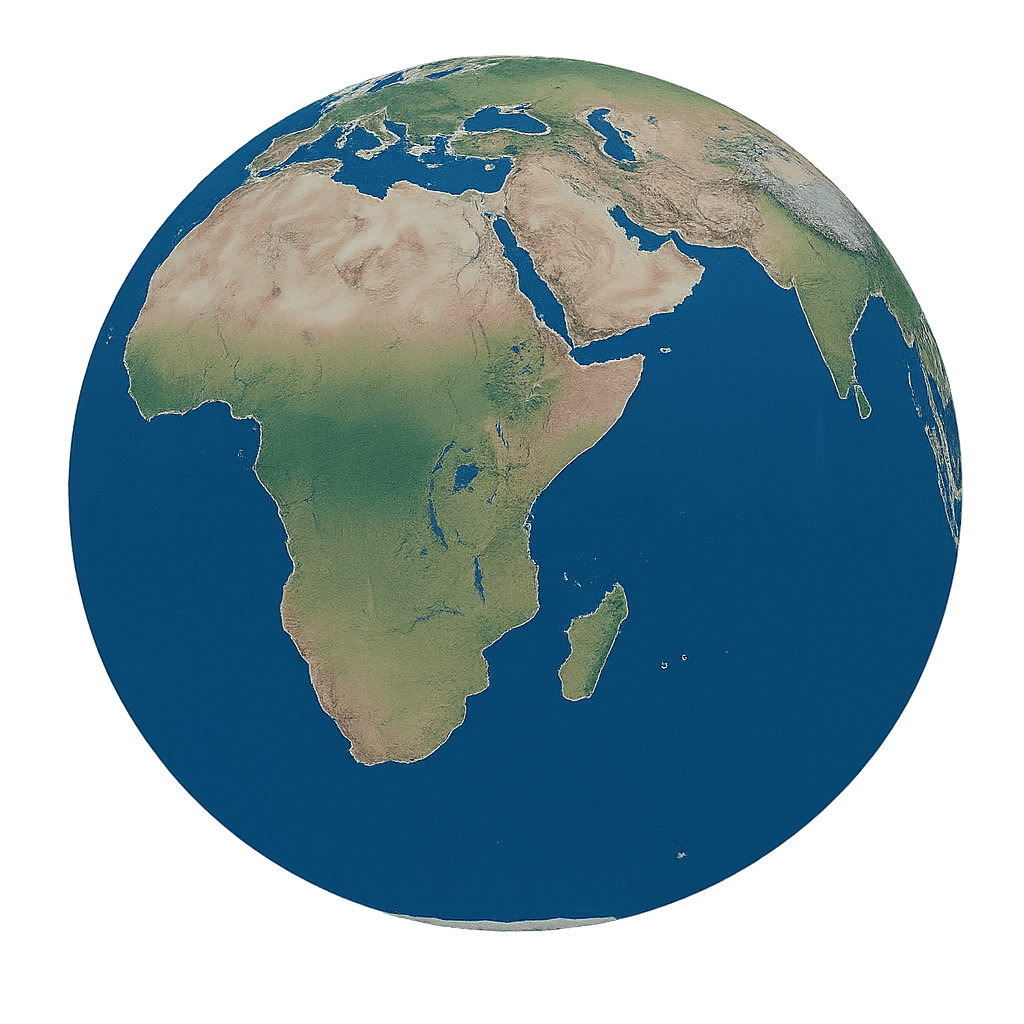
The East African nation employs a two-round presidential system—triggering a runoff if no contender secures above 50% in the initial round.
Uganda's parliamentary body comprises 556 seats: 353 through direct election, 146 reserved for district women representatives, 30 designated for military personnel and special interest groups including youth, workers, elderly citizens, and individuals with disabilities, plus 27 ex officio positions held by the vice-president and cabinet ministers who lack voting privileges.
Registered voters total approximately 21.6 million—a significant increase from 18.1 million during the 2021 contest.
Campaign activities unfolded under constrained conditions, with limitations placed on public gatherings and press coverage while security personnel were stationed across the country.
Electoral proceedings transpired under a communications crackdown imposed specifically for the voting period.
The Uganda Communications Commission (UCC) issued a directive Tuesday announcing a "temporary suspension" of public internet connectivity and certain mobile network functions throughout the election timeframe.
Officials explained the shutdown—which took effect at 6 p.m. local time (1500GMT) Tuesday—aimed to "safeguard public safety, critical national functions, and the operational integrity of communications infrastructure."
The UCC confirmed via X platform Wednesday that the Inter-Agency Security Committee recommended the action, which applies universally to all licensed telecommunications operators.
"This measure was taken to mitigate the rapid spread of misinformation and disinformation, curb risks of electoral fraud, and prevent incitement to violence, all of which could undermine public order, national security and the integrity of the electoral process," it added.
The UN human rights office expressed concern Wednesday, characterizing the suspension of 10 non-governmental organizations alongside internet access restrictions before the elections as "deeply worrying."
Legal Disclaimer:
EIN Presswire provides this news content "as is" without warranty of any kind. We do not accept any responsibility or liability for the accuracy, content, images, videos, licenses, completeness, legality, or reliability of the information contained in this article. If you have any complaints or copyright issues related to this article, kindly contact the author above.
